Morocco Travel Guide: Marrakech, Sahara & Beyond
Spice markets, blue cities, ancient kasbahs, and Sahara dunes — a complete guide to travelling Morocco from north to south.

Morocco is one of the most sensory-intense travel experiences in the world. The moment you step off the plane in Marrakech and into the Djemaa el-Fna square — a carnival of snake charmers, storytellers, food stalls, and drummers that has been running continuously for centuries — you understand immediately that this is not an ordinary country.
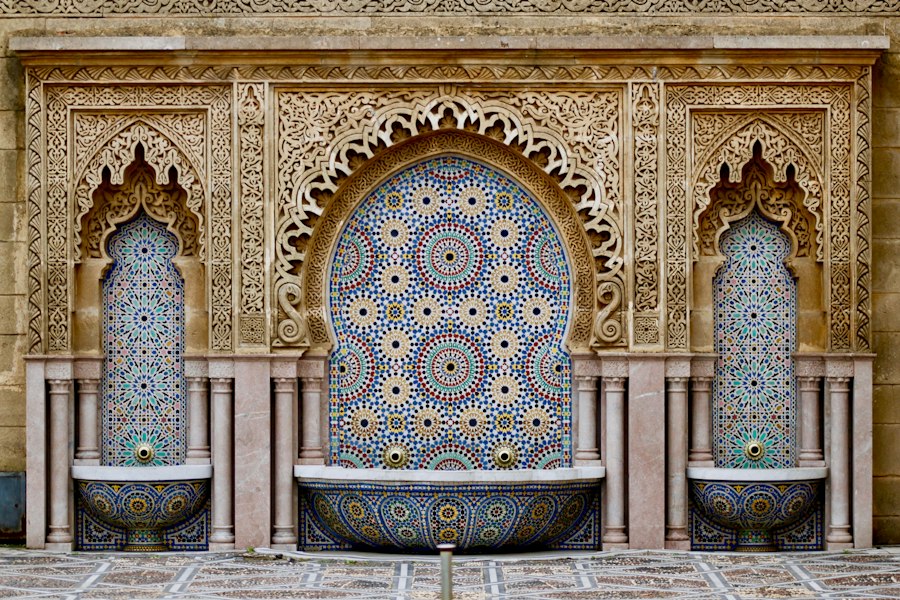
The Classic Morocco Route
Most travellers do a north-to-south loop: fly into Casablanca or Marrakech, head north to Chefchaouen (the famous blue city) and Fes (the ancient imperial capital with the world’s largest car-free urban area), then south through the Atlas Mountains to the Draa Valley and the Sahara dunes at Merzouga or Zagora.
Watch: Morocco Full Country Travel Guide
Don’t Miss
- Fes el-Bali — The medina is a UNESCO World Heritage Site and completely unchanged in layout for 1,200 years. Hire a local guide (not the aggressive unofficial ones near the gate).
- Chefchaouen — Every building painted in shades of blue. Spend two nights minimum.
- Sahara overnight — Camel trek at sunset to a desert camp, sleep under the stars, wake to sunrise over the dunes. Do this.
- Aït Benhaddou kasbah — The mud-brick fortress used in Game of Thrones and Gladiator. En route between Marrakech and the Sahara.

Practical Info
- Visa: Most Western passport holders get 90 days visa-free.
- Currency: Moroccan Dirham (MAD). ATMs widely available; cash preferred in souks.
- Transport: CTM long-distance buses are comfortable and cheap. Shared taxis (grands taxis) for shorter routes.
- Budget: $40–70/day for mid-range. Morocco is very affordable.
Planning on more adventures? Our solo travel safety guide has tips specific to North Africa. See the full 2025 destination list for where else to go.
Related posts

Travel
The Art of Packing Light: Travel with Just a Carry-On
May 12, 2026 · 2 min read
How to fit two weeks of travel into a 20-litre backpack — the gear, the mindset, and the folding techniques that actually work.
Read more →
Travel
Solo Travel Safety: Essential Tips for Every Destination
May 12, 2026 · 2 min read
How to stay safe, informed, and confident travelling alone — practical tips that apply whether you're in Tokyo, Marrakech, or Patagonia.
Read more →
Travel
Budget Travel Tips for Europe: See More, Spend Less
May 12, 2026 · 2 min read
How to explore Europe on $50 a day — transport hacks, free attractions, cheap accommodation, and the best underrated destinations.
Read more →