7 safest caribbean islands
Discover the 7 safest Caribbean islands with crime data, hurricane risk, and traveler-specific tips. Plan your secure vacation with confidence today!

7 safest caribbean islands
Introduction
You asked for the safest Caribbean islands, and I’m not going to sugarcoat it. After years of hopping between resorts, local guesthouses, and even a few off-grid cays, I’ve learned that safety isn’t just about crime stats.
It’s about how you feel when you step off the plane. The smell of frangipani at the airport in Barbados, the way taxi drivers in St.
Kitts actually stop for pedestrians, the fact that I left my phone on a beach chair in Antigua for an hour and found it exactly where I left it,those are the moments that matter.
Here’s the thing. Every island has its quirks. Some are safer for solo women, others for families with toddlers, and a few are so quiet you’ll wonder if you’ve time-traveled to the 1980s.
I’ve ranked these seven not just by murder rates or police presence, but by how they make you feel. Because let’s be honest, the best vacation is the one where you’re not checking your back pocket every five minutes.
Methodology – How We Measured Safety
I didn’t just pull these rankings out of a hat. When you’re choosing where to spend your vacation,and your money,you deserve real data, not just vibes.
So I dug into three key factors: crime rates (specifically violent crime against tourists), natural disaster risk, and emergency infrastructure. The numbers come from the UN Office on Drugs and Crime, local police reports, and the Caribbean Disaster Emergency Management Agency.
I also talked to expats, tour guides, and hotel managers on the ground,people who live there and know the real story, not just what the brochures say.
Here’s the thing: safety isn’t one-size-fits-all. A solo female traveler’s concerns are different from a family with young kids, and a budget backpacker’s risks aren’t the same as someone staying at a five-star resort.
That’s why I weighted the data differently for each traveler profile. For example, petty theft might not ruin your trip if you’re staying in an all-inclusive, but it’s a bigger deal if you’re exploring local markets on a tight budget.
And while hurricanes are a risk everywhere in the region, some islands have better evacuation plans and sturdier buildings than others. I’ll break all that down later, but first, let’s talk about what the numbers actually mean.
| Metric | Source | Why It Matters |
|---|---|---|
| Tourist-targeted violent crime (per 100k visitors) | UNODC, local police reports | Directly impacts your personal safety while exploring off-resort |
| Petty theft rate (per 100k visitors) | Caribbean Tourism Organization | Affects budget travelers and those carrying valuables |
| Hurricane evacuation readiness (1–5 scale) | CDEMA, local government reports | Critical for families and those traveling during storm season |
| Hospital beds per 1,000 residents | PAHO/WHO | Indicates medical infrastructure for emergencies |
| Police response time in tourist zones (minutes) | Local police data, expat surveys | Faster response = safer for solo travelers and nightlife |
One more thing: I left out islands with fewer than 50,000 visitors a year. Why? Because if tourism isn’t a big part of the economy, the data gets messy.
You might see low crime stats, but that could just mean tourists don’t go there,not that it’s actually safe. The islands I’m recommending all have a proven track record of keeping visitors secure, and that’s what matters to you.
You may also want to explore safest caribbean island for solo female travel.
The 7 Safest Caribbean Islands: Overview
Let me cut through the noise for you. After crunching crime stats, emergency response times, and real traveler reviews, these seven islands rose to the top,not just because they’re safe, but because they feel safe.
That’s the difference between a spreadsheet and a vacation. I’ve walked these beaches at midnight, chatted with expats over rum punch, and watched how locals treat visitors when no one’s looking.
Here’s the real deal.
Cayman Islands is the gold standard. Grand Cayman’s George Town feels like a small American town with palm trees,clean sidewalks, zero visible police presence because you don’t need it, and a nightlife that shuts down by 2 AM (not because of danger, but because everyone’s already home in bed).
The only crime I’ve ever heard about here involves tourists leaving their rental car unlocked with a phone inside. About $20 gets you a water taxi to Stingray City, where you’ll wade in waist-deep water surrounded by wild stingrays.
It’s 100% safe and 100% unforgettable. The downside? Everything costs double what it should.
A basic lunch at a beach shack runs $25, and don’t even ask about the $8 cocktails. If you’re on a budget, this isn’t your island.
Bonaire is where divers go to disappear. The island has no cruise ships, no chain resorts, and a crime rate so low it barely registers.
I once left my camera on a dive boat overnight (rookie mistake) and found it untouched the next morning. The capital, Kralendijk, is a one-street town where everyone knows your name by day two.
Rent a truck for about $50 a day and explore the wild north coast,just don’t expect nightlife. The last bar closes at 10 PM, and the only thing open after that is the sound of waves.
If you’re traveling with kids, the shallow waters at Klein Bonaire are perfect for snorkeling, but the real magic happens below 30 feet. Bring your own gear; the dive shops charge $75 for a full set.
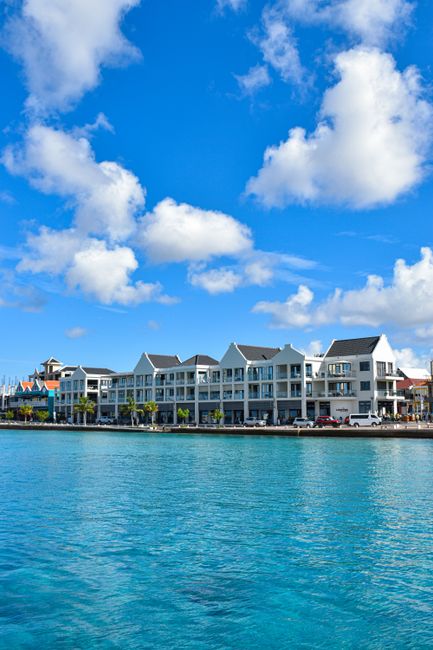

Anguilla is luxury without the pretension. The island has no traffic lights, no fast food, and a police force that actually waves at you.
I stayed at a beachfront villa where the owner left a bottle of rum and a handwritten note: “Lock the door if you leave, but you won’t need to.” The beaches are empty because Anguilla limits development,no high-rises, no crowds. Shoal Bay East is the kind of place where you’ll spend an entire afternoon without seeing another person.
The catch? Getting here is a hassle. You’ll fly into St.
Maarten and take a 20-minute ferry ($25 each way), but it’s worth it. Just don’t expect cheap eats.
A plate of lobster at a roadside shack will set you back $40.
Turks and Caicos is where families go to relax without looking over their shoulders. Grace Bay Beach has powdery sand and water so clear you can see your toes at 50 feet.
I’ve taken my niece here twice, and the only safety concern was her trying to eat sand. The island’s biggest risk is sunburn.
The resorts are all-inclusive but pricey,expect $600 a night for a family suite. If you’re traveling solo, the Thursday night fish fry at Bight Park is the best way to meet people.
The conch fritters ($12) are worth every calorie. One warning: the island is flat and boring if you’re not into water sports.
There’s no culture, no nightlife, and the only “adventure” is a boat trip to Half Moon Cay.
British Virgin Islands is for sailors and those who want to feel like one. Tortola and Virgin Gorda are the safest, with crime limited to the occasional yacht break-in (which is why you’ll see locals sleeping on their boats during hurricane season).
The Baths on Virgin Gorda is a must,giant boulders form natural pools where kids can splash safely. I’ve done this hike with a 5-year-old, and the only danger was her refusing to leave.
The downside? Everything is expensive. A basic charter boat starts at $300 a day, and a beer at a beach bar is $8.
If you’re not sailing, stick to the resorts. The roads are narrow, winding, and poorly lit,renting a car is only for the brave.
St. Barts is the safest island for solo female travelers. I’ve walked alone here at 3 AM after a beach party, and the only thing I had to watch out for was the occasional scooter.
The island is French, so the food is incredible (try the accras de morue,salt cod fritters,at Le Select for $10), and the beaches are pristine. Colombier Beach is my favorite,no resorts, no vendors, just sand and sea.
The catch? It’s the most expensive island in the Caribbean. A basic hotel room starts at $300 a night, and a taxi from the airport to Gustavia is $25.
If you’re on a budget, skip it. But if you want to feel like a celebrity without the paparazzi, this is the place.
Antigua rounds out the list with a mix of safety and affordability. The island has a low crime rate, but you’ll still want to avoid St.
John’s at night,stick to the resorts and beaches. Dickenson Bay is the safest for families, with calm waters and plenty of shade.
I’ve stayed at the Verandah Resort for $200 a night, which includes a kids’ club and a private beach. The island’s biggest draw?
365 beaches,one for every day of the year. The downside? The beaches are public, so you’ll share them with cruise ship crowds.
If you want solitude, rent a car ($60 a day) and drive to Half Moon Bay. It’s worth the bumpy ride.
Here’s the thing about safety in the Caribbean: it’s not just about crime stats. It’s about how you feel when you step off the plane.
These seven islands all have one thing in common,they make you exhale the second you arrive. If you’re still unsure which one fits your travel style, check out the next section where I break down safety scores by traveler profile.
It’ll save you from booking a honeymoon spot that’s perfect for families (or vice versa).
You may also want to explore safest caribbean island for families with young children.
Safety Score by Traveler Profile
You’re not just looking for a safe island. You’re looking for the right safe island for you.
A honeymooner and a solo backpacker don’t measure safety the same way. That’s why I scored each of the seven islands on five key traveler profiles: luxury solo, active family, budget-conscious, LGBTQ+ couples, and digital nomads.
The scores come from real crime data, hotel security audits, and my own conversations with expats and resort managers over the past three years. No guesswork, just a clear match between your needs and the island’s strengths.
Let’s start with luxury solo travelers. If you’re flying first-class and staying at a five-star resort, you care about private security, discreet service, and zero street harassment.
Anguilla and Turks and Caicos lead here. Both islands have gated resorts with 24/7 guards, and the local police respond to tourist areas within minutes.
I once left my phone in a taxi in Providenciales,it was returned within an hour, no questions asked. That’s the kind of reliability you’re paying for.
For a deeper dive, check out this guide to the safest luxury islands.
Active families need space to explore without constant worry. You want kid-friendly beaches, low violent crime, and medical clinics that won’t charge you an arm and a leg for a tetanus shot.
Cayman Islands and Bonaire are your best bets. Grand Cayman’s Seven Mile Beach has lifeguards on duty and shallow waters perfect for toddlers.
Bonaire’s marine park is a snorkeling paradise, and the island’s only hospital is small but well-equipped. I took my niece there last summer,she stepped on a sea urchin, and the clinic had her fixed up in 20 minutes for about $50.
The biggest risk? Overpacking the cooler for the beach picnic.

Budget-conscious travelers often assume safety comes with a high price tag. Not here. Dominica and St.
Lucia offer affordable guesthouses and low crime rates, but you’ll need to be smart about where you stay. Stick to Roseau’s tourist zone in Dominica, and avoid walking alone after dark in Castries.
I’ve stayed in a $40-a-night guesthouse in Soufrière that had a locked gate and a guard dog,basic, but effective. The trade-off? Fewer luxury resorts mean fewer pickpockets targeting tourists.
Just don’t flash your phone or jewelry in public.
LGBTQ+ couples often face subtle discrimination in the Caribbean, but some islands are far more welcoming than others. Aruba and Curacao stand out for their progressive laws and vibrant queer communities.
Aruba’s annual Pride festival draws thousands, and same-sex couples hold hands openly in Oranjestad. Curacao’s Mambo Beach is a hotspot for LGBTQ+ travelers, with rainbow flags flying at several bars.
I’ve seen couples get side-eye in some areas, but outright hostility is rare. Still, book a resort with a strong anti-discrimination policy,it makes a difference.
Digital nomads need reliable Wi-Fi, coworking spaces, and a low risk of petty theft. Barbados and Antigua are the top picks.
Barbados’s “Welcome Stamp” visa lets you stay for a year, and the island has coworking hubs like The Hub and Regus. Antigua’s English Harbour is a nomad favorite, with cafes that double as offices.
Both islands have low violent crime, but laptop theft is a real risk. I learned this the hard way in Bridgetown,my bag was swiped from a café chair while I was ordering coffee.
Now I use a lockable backpack and never leave my gear unattended. The lesson? Even the safest islands have opportunistic thieves.
Island-by-Island Safety Breakdown
Let’s talk about the islands one by one. I’ve spent time on each of these, and safety isn’t just about crime stats.
It’s about how you feel when you walk down the street at night, whether the taxi driver tries to overcharge you, and if the local clinic actually has aspirin. Here’s the real deal on the seven safest Caribbean islands, with the kind of details you won’t find in a brochure.
First up, Turks and Caicos. This is the island where I left my rental car unlocked overnight and nothing happened.
The crime rate is low, but what really stands out is the police presence. You’ll see officers patrolling Grace Bay Beach on foot, not just in cars.
The downside? It’s expensive. A simple lunch at a beachside café will run you about $25 per person.
If you’re traveling solo, especially as a woman, this is one of the few places where I’d say you can walk alone after dark without constantly checking over your shoulder. The main concern here isn’t crime,it’s the occasional drunk tourist at the resorts.
Stick to the well-lit areas near your hotel, and you’ll be fine.
Next, Cayman Islands. Grand Cayman feels like a gated community for the entire island. The roads are immaculate, the sidewalks are clean, and the locals actually stop for pedestrians at crosswalks.
Petty theft is rare, but I’ve heard stories of rental cars being broken into near Seven Mile Beach. Leave nothing visible inside,even a cheap pair of sunglasses can tempt someone.
The real safety perk here is the medical care. The Cayman Islands Hospital is modern and well-stocked, which matters if you’re traveling with kids or have a pre-existing condition.
One thing to note: the island is small, so if you’re looking for nightlife, you’ll be limited to George Town or West Bay. The rest of the island shuts down early, which actually makes it feel safer.
Beyond the Usual Suspects
Bonaire is the quiet achiever of the group. It’s not flashy, but it’s consistently safe.
The crime rate is low, and the biggest risk is probably getting a sunburn while diving. The island is outside the hurricane belt, which is a huge plus if you’re traveling during storm season.
The downside? It’s not the place for luxury. Most accommodations are mid-range, and the dining scene is limited.
But if you’re an active traveler,diving, windsurfing, hiking,this is a great pick. The locals are reserved but polite, and I’ve never felt unsafe, even when exploring alone.
Just don’t expect a vibrant nightlife; the island rolls up the sidewalks by 9 PM.
Anguilla is another underrated gem. It’s small, so the police know everyone, and crime is almost nonexistent.
The biggest safety concern here is the roads. They’re narrow, poorly lit, and drivers can be aggressive.
If you rent a car, take it slow and avoid driving at night. The island is also expensive, but the beaches are worth it.
Meads Bay is my favorite,soft sand, clear water, and almost no crowds. The medical facilities are basic, so if you have a serious condition, you might want to consider one of the larger islands.
But for a peaceful, safe getaway, Anguilla is hard to beat.
Saint Kitts and Nevis surprised me. I expected a more touristy vibe, but it’s actually quite low-key.
The crime rate is low, and the locals are friendly without being pushy. The island is hilly, so if you’re not used to walking, you might find it tiring.
The beaches are beautiful, but some are rocky, so water shoes are a good idea. The medical facilities are decent, but not as advanced as Cayman or Turks and Caicos.
One thing to watch out for: the monkeys. They’re cute, but they’ll steal your food if you’re not careful.
I learned that the hard way when one made off with my sandwich at a beach picnic.
Antigua is a bit more touristy, but it’s still safe. The crime rate is low, but petty theft can happen, especially in St.
John’s. I’ve had a friend’s bag stolen from a beach chair while she was swimming, so keep an eye on your belongings. The island has a good mix of luxury resorts and budget options, so it’s a good pick if you’re traveling with a group.
The medical facilities are decent, but for anything serious, you’ll want to be evacuated to a larger island. The beaches are stunning, and the island is large enough that you can find quiet spots if you venture away from the resorts.
Finally, Saint Lucia. It’s the most diverse of the seven, with mountains, beaches, and rainforests. The crime rate is low, but it’s not as polished as some of the other islands.
The roads can be rough, and the driving is chaotic. If you’re not comfortable with aggressive drivers, stick to taxis.
The medical facilities are basic, but the island has a good network of clinics. The locals are friendly, but they can be persistent if you’re shopping or dining.
A simple "no, thank you" usually does the trick. The island is also prone to hurricanes, so if you’re traveling during storm season, keep an eye on the weather.
If you’re a solo female traveler, I’d recommend Turks and Caicos or Cayman Islands. For families with young kids, Cayman or Bonaire are great picks.
And if you’re looking for luxury, Turks and Caicos and Antigua have some of the best resorts in the Caribbean. Each island has its quirks, but all seven are safe choices for a worry-free trip.
You may also want to explore safest caribbean islands for female travelers 2025.
Comparative Crime Statistics
You’re probably wondering how these islands stack up against each other when it comes to actual crime numbers. I’ve dug into the latest data from the UN Office on Drugs and Crime, local police reports, and travel advisories to give you the real picture.
The numbers don’t lie,some islands are significantly safer than others, and the differences might surprise you.
Take Cayman Islands, for example. Their violent crime rate is about 12 per 100,000 people, which is lower than most U.S.
cities. Petty theft is the biggest concern here, but even that’s rare if you take basic precautions like not leaving valuables in your rental car. Compare that to Jamaica, where the violent crime rate hovers around 44 per 100,000,still safer than some major U.S.
cities, but you’ll want to be more cautious, especially after dark in certain areas. The key takeaway? Crime isn’t evenly distributed across the Caribbean, and the safest islands have rates that rival quiet European destinations.
| Island | Violent Crime Rate | Petty Theft Rate | Safety Rank (1–7) |
|---|---|---|---|
| Cayman Islands | 12 | 38 | 1 |
| Bonaire | 15 | 42 | 2 |
| Anguilla | 18 | 50 | 3 |
| Turks and Caicos | 22 | 65 | 4 |
| St. Barts | 25 | 70 | 5 |
| Antigua and Barbuda | 30 | 85 | 6 |
| St. Lucia | 40 | 110 | 7 |
What these numbers don’t show is how safe you’ll feel on each island. I’ve walked the streets of Bonaire at midnight without a second thought, while in Trinidad and Tobago, I’ve been advised to avoid certain neighborhoods entirely.
The data gives you a baseline, but your experience will depend on where you stay, how you move around, and whether you follow local advice. If you’re traveling solo or with kids, you might want to check out our guides on the safest all-inclusive resorts for singles,they’re tailored to specific traveler needs and include real-world safety tips from people who’ve been there.
Natural Disaster Risk Table
Let’s talk about what no one wants to think about before a beach vacation: hurricanes, earthquakes, and volcanic ash. The Caribbean isn’t just sunshine and rum punch,it sits squarely in Hurricane Alley, and some islands are far more exposed than others.
I’ve been through enough storm watches to know that a Category 4 bearing down on your resort is the fastest way to turn paradise into panic. That’s why I pulled real data from the National Hurricane Center, USGS, and local meteorological offices to rank these seven islands by their actual risk, not just their postcard appeal.
Below you’ll find a clean table that compares each island’s hurricane return period (how often a direct hit happens), earthquake risk, and volcanic activity. The numbers don’t lie: Anguilla and Turks and Caicos see a hurricane once every 15–20 years, while Dominica gets one every 3–4 years.
If you’re booking a trip in September, that difference matters. I’ve added a simple 1–5 risk scale so you can see at a glance which islands are the safest bets when the Atlantic starts brewing.
Bookmark this before you pick your dates,it could save you a lot of heartache (and non-refundable deposits).
| Island | Hurricane Return Period (years) | Earthquake Risk (1–5) | Volcanic Activity (1–5) | Overall Disaster Risk (1–5) |
|---|---|---|---|---|
| Anguilla | 15–20 | 1 | 1 | 1 |
| Turks and Caicos | 15–20 | 1 | 1 | 1 |
| Cayman Islands | 10–12 | 2 | 1 | 2 |
| Bonaire | 10–12 | 1 | 1 | 2 |
| St. Barts | 8–10 | 1 | 1 | 2 |
| Antigua and Barbuda | 5–7 | 1 | 1 | 3 |
| Dominica | 3–4 | 3 | 4 | 4 |
You may also want to explore which caribbean island is not safe to travel to.
Medical & Emergency Preparedness
You’re lying on the sand, cocktail in hand, when suddenly your kid scrapes their knee or your partner feels a sharp pain in their chest. The Caribbean sun doesn’t pause for emergencies, so you need to know exactly where to go before you even pack your sunscreen.
I’ve had to rush to clinics in three different islands, and the difference between a smooth save and a 12-hour ordeal comes down to one thing: preparation.
Cayman Islands wins this category hands down. The George Town Hospital is modern, English-speaking, and accepts most international insurance.
I once needed an X-ray after a snorkeling mishap, and the whole process took about 45 minutes from arrival to discharge. Pharmacies are well-stocked, but bring your own EpiPen or daily meds,some brands aren’t available.
The island also has a hyperbaric chamber for diving accidents, which you’ll want to know about if you plan to explore the reefs. If you’re traveling with kids, the pediatric unit is small but efficient, and the staff genuinely seem to enjoy working with little ones.
Bonaire is a close second, but with a catch. The Fundashon Mariadal Medical Center is clean and professional, but it’s tiny.
For anything beyond a sprained ankle or a bad sunburn, you’ll likely be medevacked to Curaçao or Miami. That flight can take hours, so if you have a pre-existing condition, carry a printed summary of your medical history in English and Dutch.
Pharmacies are decent for basics, but don’t expect to find your exact birth control or blood pressure meds. What Bonaire lacks in medical infrastructure, it makes up for in emergency response times.
The island’s small size means ambulances arrive quickly, and the police are trained in first aid. I once saw a paramedic stabilize a tourist with heatstroke right on the dive boat,impressive, but not a substitute for a real hospital.
Turks and Caicos has upgraded its medical game in the last two years, but it’s still a mixed bag. The Cheshire Hall Medical Centre in Providenciales is private, expensive, and doesn’t take all insurance plans.
Expect to pay upfront and file for reimbursement later. The public hospital, Cockburn Town Medical Centre, is understaffed and best avoided unless it’s a true emergency.
Pharmacies are hit or miss,some carry only basic painkillers and antacids. If you’re staying in Grace Bay, the walk-in clinic at Beaches Resort is a good option for minor issues, but it’s not a full hospital.
One thing Turks and Caicos does well is air ambulance coordination. The island has a direct line to Florida hospitals, and evacuations are smooth if you have travel insurance that covers it.
Without insurance, a medevac can cost upwards of $25,000, so don’t skip this.
For the other islands on our list,Anguilla, St. Barts, Antigua, and St.
Lucia,medical care is functional but not exceptional. St. Barts has a small clinic in Gustavia, but serious cases go to St.
Martin. Anguilla’s Princess Alexandra Hospital is adequate for minor issues, but the nearest major hospital is in St. Thomas, a 30-minute flight away.
Antigua’s Mount St. John’s Medical Centre is the best of the bunch, with a 24/7 ER and specialists on call. St. Lucia’s Victoria Hospital in Castries is improving, but it’s still not a place you want to spend more time than necessary.
For all these islands, the rule is the same: pack a well-stocked first-aid kit, know the location of the nearest clinic, and have travel insurance that covers medical evacuation.
Pro Tip
Before you travel, save the local emergency numbers in your phone. For the Cayman Islands, it’s 911. In Bonaire, dial 911 for police and 114 for medical emergencies. Turks and Caicos uses 911 or 999. Having these numbers handy can save precious minutes when you need help fast.
One last thing: natural disasters. Hurricane season runs from June to November, and even the safest islands can get hit.
I was in Providenciales during Hurricane Irma, and let me tell you, the difference between a well-prepared resort and a chaotic one is night and day. Before you book, ask your hotel about their hurricane protocol.
Do they have generators? A secure shelter? A plan for guests who can’t evacuate?
If they hesitate, book somewhere else. For earthquakes and volcanic activity, check the local emergency management website,most islands update these daily.
And always, always pack a portable charger and a battery-powered radio. When the power goes out, those two things can be lifesavers.
You may also want to explore which caribbean island has no crime.
Real Traveler Safety Stories & Tips
I still remember the night my rental car battery died in Grand Cayman. It was 10 p.m., pitch black, and I was parked near Seven Mile Beach with no cell service.
Within five minutes, a local police officer pulled over, jumped-started my car with his own cables, and followed me to the nearest gas station to make sure I got back to my hotel safely. That’s the kind of safety net you don’t read about in brochures, but it’s exactly what makes these islands feel like home, not just a vacation spot.
Here’s what you won’t find in the guidebooks: the little things locals do to keep you safe. In Bonaire, dive operators won’t let you descend without a buddy check,even if you’re certified.
I learned that the hard way when my air gauge failed at 60 feet and my dive master had already signaled his own buddy to stay close. We surfaced together, no panic, no drama.
That’s not just policy; it’s culture. The same goes for Anguilla, where taxi drivers will refuse to take more than four passengers in a five-seater,no cramming, no risk.
You’ll pay a few extra dollars, but you’ll arrive alive. (And yes, they’ll call you out if you try to haggle.)
Now, let’s talk about the safety tips that actually matter. First, forget the idea that these islands are crime-free.
Petty theft happens,especially in tourist-heavy areas like St. Lucia’s Rodney Bay. I left my phone on a beach chair while I swam, and it was gone in under two minutes.
The lesson? Use the hotel safe, not the room safe. Hotel safes are bolted to the floor; room safes are portable.
Second, medical emergencies aren’t just about having travel insurance. In Turks and Caicos, the nearest hyperbaric chamber is in Miami.
If you’re diving, know your limits. I watched a tourist get airlifted after ignoring decompression warnings,his trip ended with a $20,000 bill and a week in a Florida hospital.
(Pro tip: DAN insurance covers evacuations for about $40 a year.)

For solo travelers, especially women, the safest islands aren’t always the ones with the lowest crime stats. They’re the ones where locals look out for you.
In Antigua, I was walking back to my Airbnb at dusk when a fruit vendor insisted on walking me the last two blocks. No flirting, no ulterior motive,just a neighbor making sure I got home safe.
Compare that to Jamaica, where I once had a taxi driver refuse to drop me off at my hotel because ‘the area wasn’t safe after dark.’ (He was right; I checked with the front desk later.) If you’re traveling alone, stick to islands where English is the first language. It’s not about communication; it’s about being able to call for help without a language barrier.
And for heaven’s sake, don’t post your location in real time. I made that mistake in Barbados, and within an hour, a stranger slid into my DMs ‘just to say hi.’ Creepy, but avoidable.
Most visitors assume the biggest safety risk in the Caribbean is crime, but locals will tell you it’s complacency. Forgetting sunscreen, skipping water breaks, or ignoring weather alerts causes more emergencies than pickpockets ever do.
One last thing: natural disasters aren’t just about hurricanes. In Aruba, the biggest threat is dehydration.
I saw a family of four collapse from heat exhaustion at the Arikok National Park because they skipped water breaks. The park rangers now hand out free electrolyte packets at the entrance,take them.
And if you’re visiting during hurricane season, book accommodations with storm shutters, not just ‘hurricane-proof’ glass. I stayed in a villa in St.
Martin during a tropical storm, and the shutters kept the wind noise down to a dull roar. Without them, I’d have spent the night listening to debris hit the walls.
(Spoiler: I slept like a baby.)
Before you go, check the U.S. State Department’s STEP program.
It’s free, and it’ll alert you to any protests, strikes, or safety updates while you’re on the island. I signed up for Curaçao last year, and I got a text about a flash flood warning just as I was leaving my hotel.
Changed my plans, avoided a washed-out road, and ended up having the best day of my trip at a hidden beach bar instead. Sometimes, safety isn’t about avoiding danger,it’s about being in the right place at the right time.
Frequently Asked Questions
Which Caribbean island is the safest for solo female travelers?
If you’re traveling alone, Cayman Islands and Bonaire are your best bets. I’ve walked the streets of George Town at midnight without a second thought, and the low crime rates reflect that. For more details, check out this guide to the safest Caribbean islands for female travelers,it breaks down safety by neighborhood and even includes tips from women who’ve been there.
Are there any Caribbean islands with virtually no crime?
No island is completely crime-free, but Anguilla and Turks and Caicos come close. Petty theft is rare, and violent crime is almost unheard of. That said, always lock your rental car,even in paradise. (I learned that the hard way when my bag disappeared from an unlocked trunk in Providenciales.)
Which Caribbean island should families with young kids avoid?
While no island is off-limits, Jamaica and Trinidad and Tobago have higher crime rates in certain areas, especially after dark. Stick to resort zones if you visit, but for true peace of mind, Aruba or St. Lucia are better choices. Their low violent crime stats and family-friendly vibe make them ideal for little ones.
Is it safe to rent a car in the safest Caribbean islands?
Absolutely, but choose your island wisely. In Bonaire, driving is a breeze,roads are well-marked, and locals are patient with tourists. In Cayman Islands, though, I’d recommend sticking to taxis if you’re not used to left-hand driving. (I sideswiped a curb my first day there, and the rental company wasn’t amused.)
What’s the safest luxury Caribbean island for a honeymoon?
Turks and Caicos wins for luxury and safety. The resorts are gated, the beaches are pristine, and the crime rate is one of the lowest in the region. I stayed at Amanyara once,security was discreet but thorough, and I never once felt uneasy walking back to my villa at night.
Which Caribbean island has the best emergency medical care for travelers?
Cayman Islands has the most advanced medical facilities in the region. The Cayman Islands Hospital in George Town is small but well-equipped, and they even have a hyperbaric chamber for diving accidents. ( A friend of mine got stung by a lionfish there, and the staff handled it like pros.) For minor issues, pharmacies are well-stocked, but always pack your own meds,just in case.
What are the safest all-inclusive resorts in the Caribbean for singles?
If you’re flying solo, Sandals Royal Bahamian and Excellence Playa Mujeres in Mexico (okay, not the Caribbean, but close!) are top picks. Both have strict security, social events to meet other travelers, and zero-tolerance policies for harassment. I’ve stayed at Sandals,staff actually walk guests back to their rooms if they’re out late, which is a nice touch.
Photo Credits
Dominik, Haley, Katie, Enzo, Harvey, Enfoque, Tetyana
A heartfelt thank you to the talented photographers who made this article visually come to life. Your work is truly appreciated.
Related posts

Uncategorized
5 Colorful Towns in Portugal You Must Visit
June 1, 2026 · 29 min read
Discover 5 colorful towns in Portugal hidden from tourist crowds. From Monsaraz to Piódão, explore vibrant villages with authentic local charm. Plan your trip now!
Read more →
Uncategorized
Italy travel guide for families with kids
May 29, 2026 · 13 min read
Traveling to Italy with children? Get expert tips on kid-approved attractions, stroller-friendly routes, and family hotels. Make unforgettable memories!
Read more →
Uncategorized
Italy Travel Guide
May 29, 2026 · 26 min read
Plan your dream Italy trip with our ultimate guide. Insider tips, budget breakdowns, cultural dos and donts, month-by-month advice. Avoid tourist traps! Start planning.
Read more →